01
AV systems integration
Audio, lighting, video and the infrastructure that carries them, designed to be operated by the people who work in the room.
Systems integration · Hamilton, Ontario
Ticketing, event management and venue operations software, plus the AV, show control and networks underneath it. Designed, built and commissioned by the same engineer, for venues across southern Ontario.
The platform
A venue is not a ticketing problem with some admin attached. It is one organisation where a ticket, a membership, a volunteer shift and a donation all belong to the same person. We build the system that treats it that way, and it runs a working theatre every night.
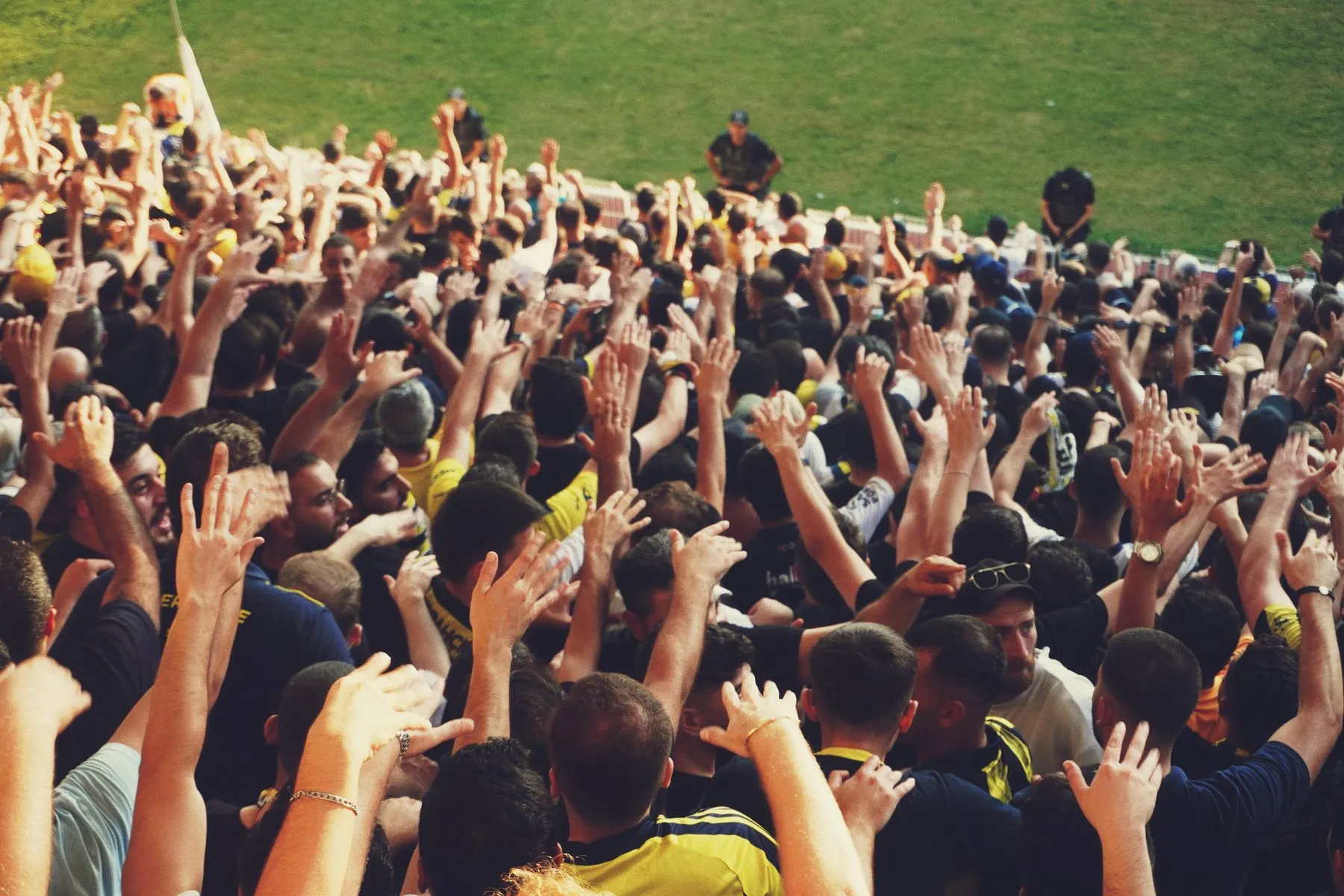
Seat maps, timed holds, subscriptions, comps, exchanges and QR check-in at the door. No commission skimmed off every ticket.

Rehearsals, performances, outside rentals and volunteer rotas against the same rooms and the same calendar.
Patron records, renewals, fundraising and grants, concessions, reconciliation and the reports a board actually asks for.
Software and building, one shop
Most software vendors hand you an integration guide and wish you luck. Because the same shop specifies the network, hangs the lobby displays and wires the door scanners, the platform reaches the actual building instead of stopping at the browser.
Disciplines
Real installations do not respect the boundaries between trades. A lighting system depends on a network, a box office depends on data getting somewhere useful, and both depend on someone having written down how it works.
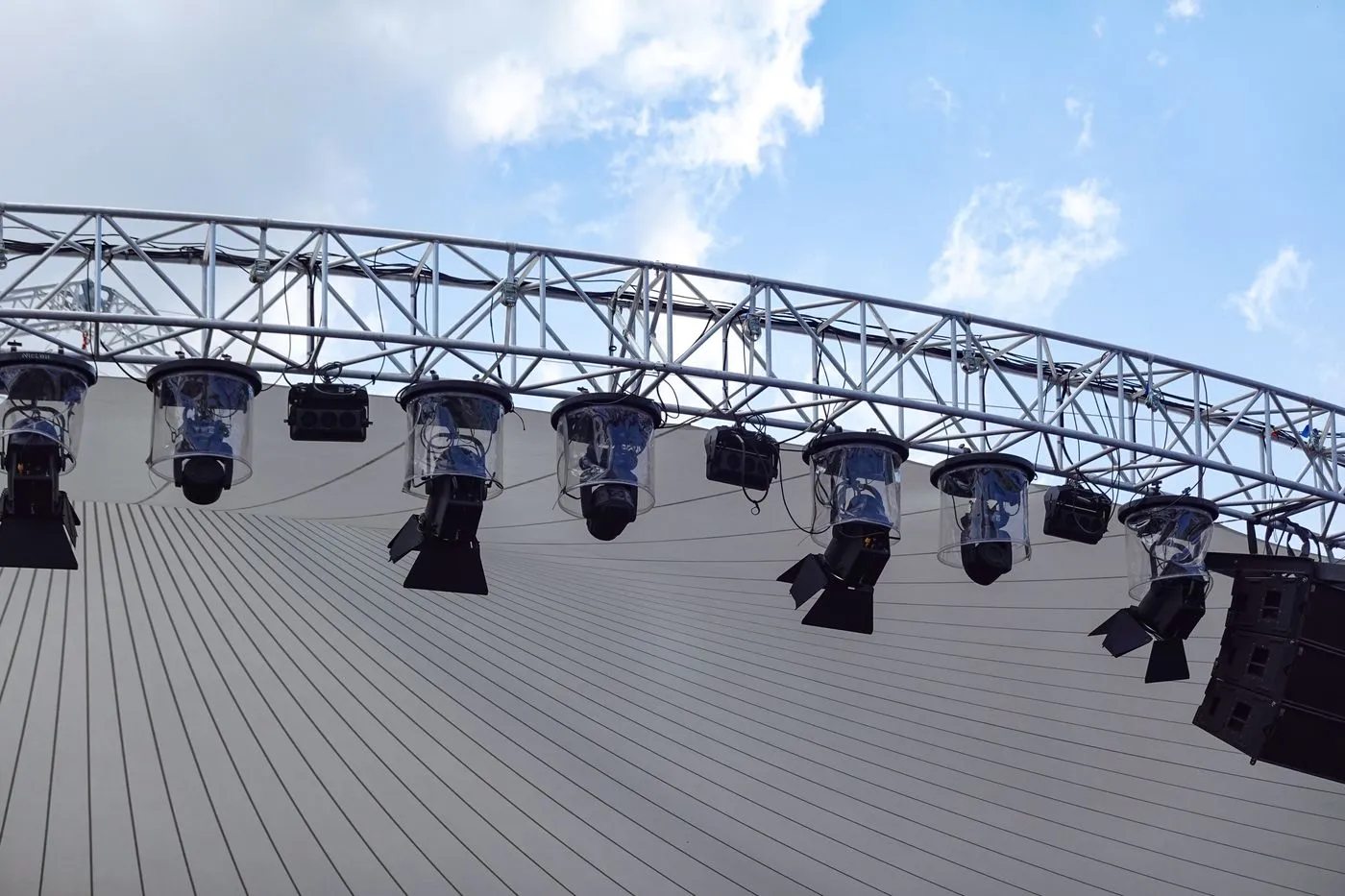
Audio, lighting, video and the infrastructure that carries them, designed to be operated by the people who work in the room.
Cue automation, playback workflows and motorised stage systems tied together so one trigger does what it should, every night.
Networks for buildings where production traffic, operations and public access have to coexist without sharing failure modes.
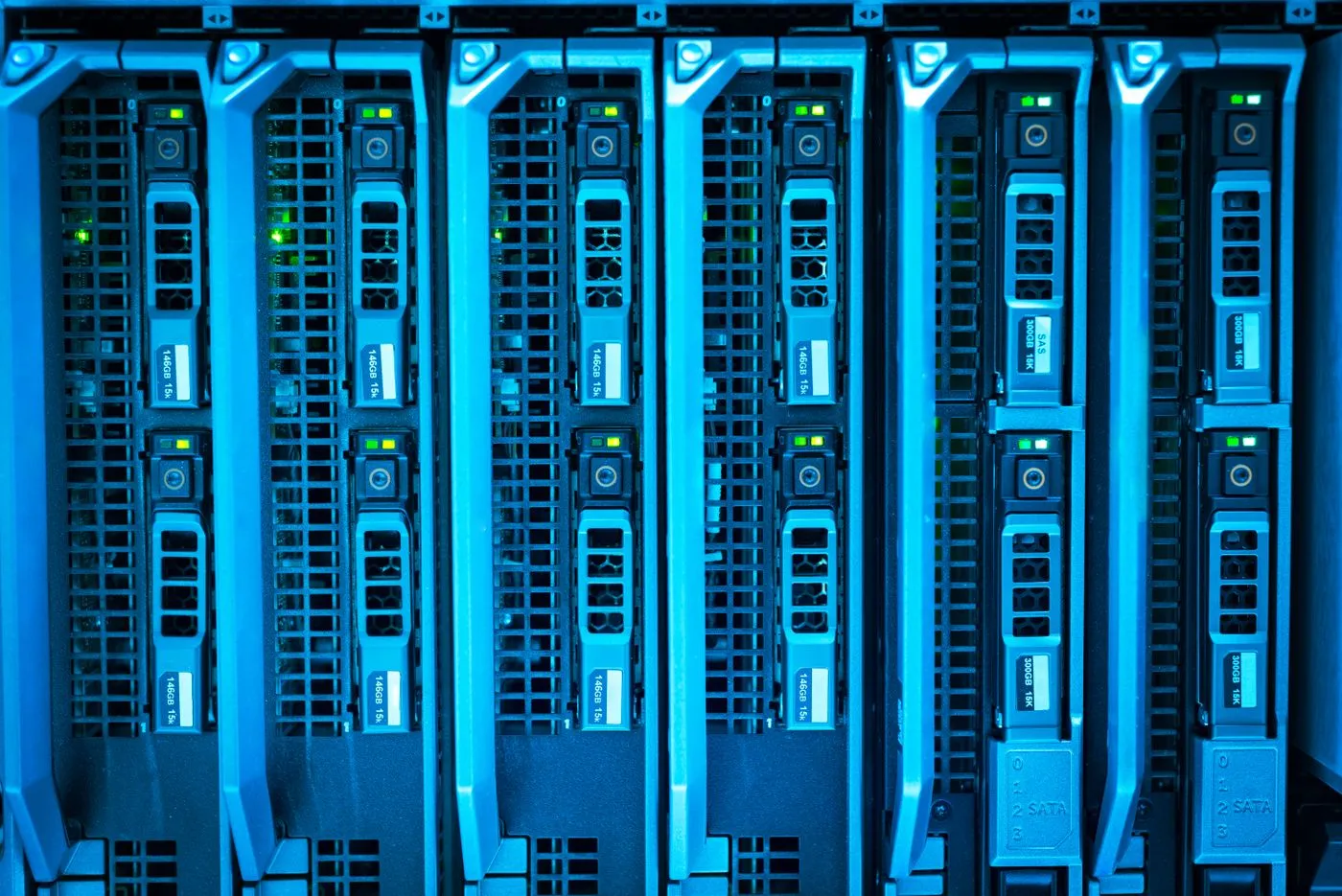
Structured cabling, access control, cameras and the quiet infrastructure that everything else depends on.
The venue platform above, plus purpose-built applications and device integrations where off-the-shelf software does not fit the workflow.
What each discipline includes, and what a typical engagement looks like.
ServicesWhere projects fail
Between the show control and the hardware. Between the network and the system depending on it. Between the vendor who installed it and the person who has to run it.
Working across all of it is the point. When the same person specifies the network, patches the console and writes the integration, there is nobody to hand the problem to, so it gets solved.
How we work
No account layer between the person specifying the work and the person doing it. Scope conversations happen with someone who will be on site during commissioning.
Drawings, signal flow, network diagrams and commissioning notes are handed over as part of the job, not reconstructed later by whoever inherits the system.
Systems are specified so that a competent technician who has never met us can service them. That constraint shapes component choices, and it is deliberate.
AI-native practice
BIS works with frontier AI models as a matter of course. Drawings, calculations, documentation and code are produced with AI assistance and reviewed by the engineer who signs off and commissions the system. It is why a one-person practice can hand over a complete as-built package on every job, and why the tooling below exists.
As-built documentation pipeline. Rack elevations, cable schedules, port maps and a bound as-built PDF, generated from live network data instead of retyped.
UniFi design to as-built bridge. PoE budgets checked, cable lengths corrected for height, and a priced bill of materials pulled straight from the design export.
Lighting paperwork from MagicQ and MVR files. Instrument schedules, channel hookups, and a readable diff between two versions of a plot.
Lobby screens that fill themselves from tonight's show data: cast, sponsors, house notices and box office status, with no per-screen subscription.
Forge tooling is built for BIS's own jobs first. It is not for sale yet; it shows up as better paperwork on yours.
Working on something?
All reasonable places to start a conversation. No obligation attaches to the first one.